
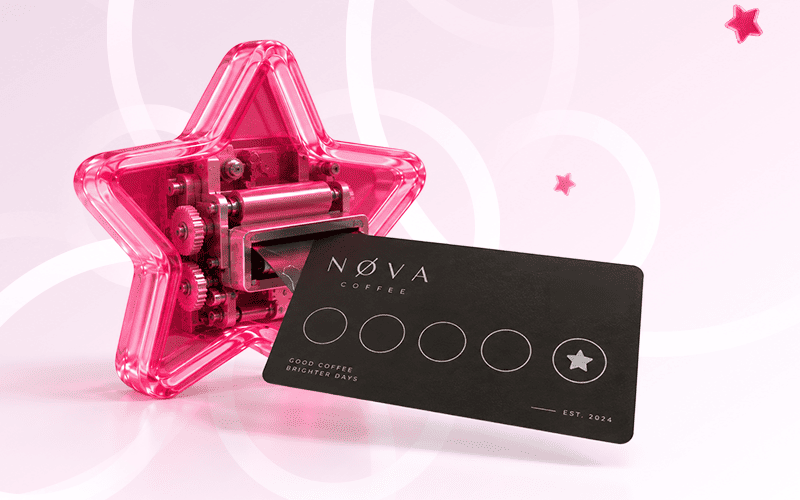
Most guides on how to make a digital loyalty card start with design: pick a colour, upload a logo, set a reward, and publish. That is only the visible layer. A digital loyalty card is a system question. The card is what customers see; the visit tracking, customer profiles, lapse signals, and performance data underneath are what determine whether it actually changes retention.
Get the system right and the card does its job. Get it wrong and you have built something that looks like a loyalty programme without behaving like one. This guide explains how to make a digital loyalty card with Magic Stamp and what the data looks like once it is running. For the broader strategy, see our smart loyalty points and rewards programme guide.
What You Need to Know Before You Make a Digital Loyalty Card
A digital loyalty card has one visible job: give customers a reason to come back. The reason to build one instead of printing paper cards is everything that happens in the background. Every tap updates a profile, every visit adds to a pattern, and every lapse can be flagged before it becomes a lost customer. None of that exists on a paper card, and none of it exists digitally unless the system underneath is built to capture it.
The stamping moment is where many businesses go wrong. QR codes sound simple until a busy Friday service, a cracked screen, or a queue at the counter turns one failed scan into a frustrating experience. Magic Stamp replaces that failure point with a physical electronic stamp device: the customer holds their phone to it, the stamp appears instantly, and the card stays accessible on their phone with no scanning or alignment required.
The card is the part customers see. The system underneath is what tells you whether loyalty is actually working.
How to Make a Digital Loyalty Card: The Actual Steps
Magic Stamp gives independent retailers control without requiring technical knowledge. The complete setup is four practical steps:
Design the Card Around Your Brand
Upload your logo, set your colours, and choose the look. The card customers see should feel like an extension of your business, not a generic template with your name added.
Set the Reward Structure
Decide how many stamps lead to a reward and what that reward is. High-frequency businesses such as coffee shops and bakeries usually benefit from a shorter path, while lower-frequency visits need a tiered structure to sustain engagement across a longer cycle.
Connect the Stamp Device
Magic Stamp ships the electronic stamp device to you. It needs no batteries, Bluetooth, or technical setup, so it is ready for the first customer interaction.
Go Live and Watch the Dashboard
From the first stamp, your dashboard starts building customer analytics profiles — visit frequency, stamp progress, redemption rates, lapse signals. The data is there in real time, not in a monthly report.
How to Make a Digital Loyalty Card for a Florist
Florists have one of the hardest loyalty problems in independent retail. A purchase is not routine: a customer might buy flowers three times a year for occasions months apart. On paper that looks like low engagement. In practice, it may be a high-value customer who is easy to lose simply because nobody reached out between visits.
Knowing how to make a digital loyalty card for this kind of business means building around occasions rather than frequency. Magic Stamp can flag customers who have not returned in a set period and support a targeted message through the app before the next occasion passes without them thinking of you. The card does not change how often they buy flowers; it changes whether they buy them from you.
Build Around Occasions
Use reminders and occasion-based offers for customers whose purchases are naturally months apart.
Catch Lapses Early
A set-period alert creates a chance to reach out before a customer chooses another florist for the next occasion.
Protect High-Value Relationships
A low visit frequency does not necessarily mean low value. Use the context behind the purchase cycle to plan retention.
How to Know If Your Digital Loyalty Card Is Actually Working
Most businesses measure success by sign-ups. That is the wrong number. Sign-ups tell you who tried the programme once. What matters is what happened after, which is what knowing how to make a digital loyalty card the right way really means.
Active Stamps in the Last 30 Days
Measure how many customers actually stamped recently, not how many people registered months ago.
Reward Redemption Rate
Track what percentage of completed cards were redeemed. A reward that is never claimed may not feel attainable or relevant.
Quiet Disappearance
Identify customers who stamped once or twice and then stopped, so you can act while the relationship is still recoverable.
Magic Stamp's dashboard surfaces all three signals automatically from the first week, not the first quarter. That keeps the window to act open far earlier than most businesses realise.
What Makes It a System, Not Just a Card
A digital loyalty card does not change why customers come back. It changes whether you know when they have stopped and whether you still have time to do something about it. That is the difference between a card and a system. Magic Stamp is the system that connects the customer-facing card to that insight.
Keep Building Your Digital Loyalty System
Use these related guides to connect card setup with customer experience, campaigns, and retention.
Frequently Asked Questions
Ready to Make a Digital Loyalty Card That Works?
Book a free Magic Stamp demo or get started directly, then turn customer rewards into a measurable retention system.